Home / The Journal / Is Egypt Safe to Visit in 2026? What Official Advice Says
The Journal
Is Egypt Safe to Visit in 2026? What Official Advice Says
The current US, UK, Canadian and Australian advice for Egypt with its dates, where the advised-against areas are, and the rules on dress and photography.
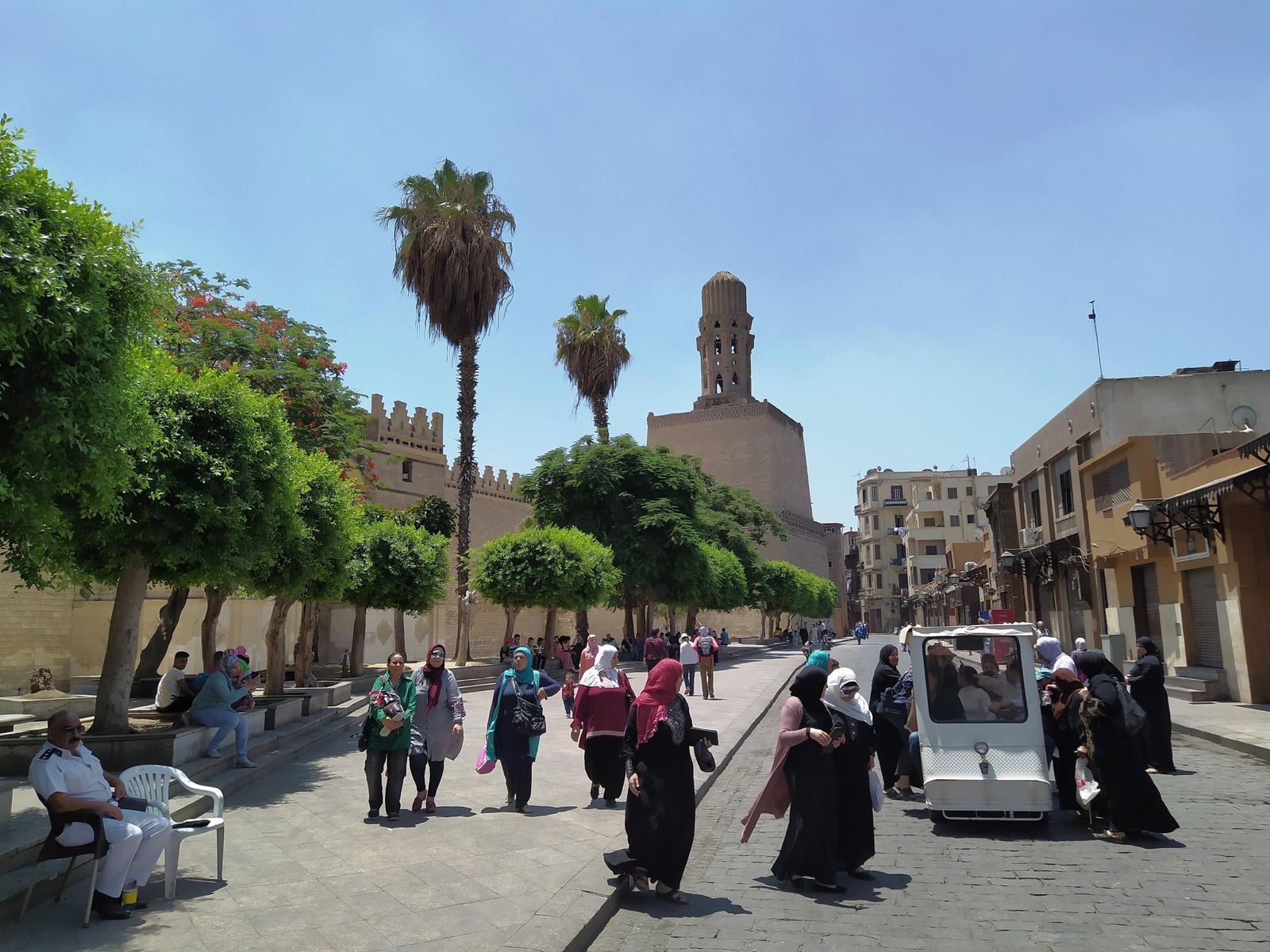
On whether Egypt is safe, the US State Department rates it Level 2, Exercise Increased Caution, in an advisory dated July 2025, citing terrorism, crime and health. The US, UK, Canadian and Australian governments all advise against North Sinai and areas near the borders, while Cairo, Luxor, Aswan, Hurghada and Sharm El Sheikh are outside those zones. Check your own government's current advice before you book.
Key takeaways
- US State Department: Level 2, Exercise Increased Caution (July 2025); Do Not Travel to North and Middle Sinai, Egypt's border areas, and the Western Desert unless with a professionally licensed tour company.
- UK FCDO (updated August 4, 2026): against all travel to North Sinai Governorate and within 20 km of the Libyan border; Luxor, Aswan and Abu Simbel are excepted from its Western Desert advice.
- Canada and Australia: exercise a high degree of caution across Egypt, a level both apply to Luxor and Aswan.
- Every journey on this site stays in Cairo and Giza, Luxor, Aswan and Abu Simbel, the Nile between Luxor and Aswan, or the Red Sea at Hurghada.
- UK rules: dress modestly in rural areas, mosques and souqs; never photograph military sites or the Suez Canal; drones need Ministry of Defence permission.
Is Egypt safe? The four governments' advice at a glance
This is what the US, UK, Canadian and Australian governments say about Egypt, with the date shown on each government's page where it gives one, as checked on October 20, 2026.
| Government | Overall level | Page date | Areas to avoid (summary) |
|---|---|---|---|
| United States (State Department) | Level 2: Exercise Increased Caution | July 2025 | Do Not Travel: Northern and Middle Sinai; the Western Desert unless with a professionally licensed tour company; Egyptian border areas |
| United Kingdom (FCDO) | Advises against travel to named areas | Updated August 4, 2026 | All travel: North Sinai Governorate and within 20 km of the Libyan border. All but essential travel: northern South Sinai, Ismailiyah east of the Suez Canal, the area west of the Nile Valley and Delta (with exceptions), the Hala'ib Triangle and Bir Tawil |
| Canada | Exercise a high degree of caution, with regional advisories | See travel.gc.ca | Avoid all travel: northern Sinai, the area near the Libyan border, the Western Desert west of the Giza, Luxor, Aswan and Abu Simbel road. Avoid non-essential travel: northern South Sinai |
| Australia (Smartraveller) | Exercise a high degree of caution | Updated September 14, 2026 | Do not travel: North Sinai, the area near the Libyan border, the Bir Tawil Trapezoid. Reconsider: South Sinai except the Sharm el Sheikh coast, Ismailiyah east of the Suez Canal, most areas west of the Nile Valley, the Hala'ib Triangle and the Sudan border area |
Cairo, Luxor, Aswan and the Red Sea resorts of Hurghada and Sharm El Sheikh are not inside any of these avoid zones. That is not the same as no risk: the US, Canada and Australia set a caution level for the whole country, and the UK warns that terrorists are likely to try to carry out attacks in Egypt.
What the US State Department says
The US advisory for Egypt is Level 2, Exercise Increased Caution, dated July 2025. It gives terrorism, crime and health as the reasons and says some areas have increased risk. It names three Do Not Travel areas: the Northern and Middle Sinai Peninsula, because of terrorism; the Western Desert, unless traveling with a professionally licensed tour company; and Egyptian border areas, which are military zones.
On tourist areas, the advisory says Egyptian authorities generally offer effective security protection, but extremists continue to express interest in planning and carrying out attacks. Security is generally present at potential targets, which it lists as including tourist sites, resorts and urban areas in Cairo. The full text is on the State Department's Egypt advisory page.
What the UK Foreign Office says
The UK Foreign, Commonwealth and Development Office (FCDO) page was updated on August 4, 2026 and was still current on October 20, 2026. It advises against all travel to North Sinai Governorate and to within 20 km of the border with Libya, except the town of El Salloum, where it advises against all but essential travel. It advises against all but essential travel to the northern part of South Sinai beyond the road from St Catherine to Nuweiba (the coastal areas are excepted), to Ismailiyah Governorate east of the Suez Canal, to the area west of the Nile Valley and Delta, and to the Hala'ib Triangle and Bir Tawil Trapezoid.
The advice for the area west of the Nile has named exceptions, including Luxor, Qina, Aswan, Abu Simbel and the Valley of the Kings. For southern Sinai, the FCDO says travel to the Red Sea tourist areas is generally low risk, and that security forces carry out routine checks on vehicles and at airports to protect resorts such as Sharm El Sheikh, Hurghada and Marsa Alam. The same advice says terrorists are likely to try to carry out attacks in Egypt and that attacks could be indiscriminate, including in places visited by foreign nationals. It also notes that overcrowding and poor safety standards have caused accidents on Red Sea ferries and Nile cruises. The full advice is on GOV.UK.
What Canada and Australia say
Canada's advisory tells travelers to exercise a high degree of caution in Egypt, with regional advisories. It says to avoid all travel to northern Sinai, to the area near the border with Libya, and to the Western Desert west of the Giza, Luxor, Aswan and Abu Simbel road (with some exceptions reached by set roads), and to avoid non-essential travel to the northern part of South Sinai. For the Red Sea coastal resorts and for Aswan and Luxor it keeps the high degree of caution, noting that while the beach resort areas are generally considered safe, sporadic terrorist attacks have targeted foreign tourists in recent years.
Australia's Smartraveller, updated September 14, 2026, also says exercise a high degree of caution overall, and names Cairo and the Nile Delta area, Luxor and the Valley of the Kings, Aswan, Abu Simbel and Sharm el Sheikh under that level. It says do not travel to North Sinai, the area near the border with Libya or the Bir Tawil Trapezoid, and to reconsider travel to South Sinai except the southern coastal area of Sharm el Sheikh.
Where visitors go, and where these journeys go
The main visitor regions are Cairo and Giza, Luxor, Aswan, the Nile between Luxor and Aswan, and the Red Sea resorts such as Hurghada and Sharm El Sheikh. Every journey on this site stays in those regions: Cairo and Giza, Luxor, Aswan and Abu Simbel, the Nile between Luxor and Aswan by cruise ship or dahabiya, and the Red Sea at Hurghada. None goes to North Sinai, the Western Desert or the border areas.
Abu Simbel, south of Aswan, is on the UK's list of places excepted from its advice for the area west of the Nile, and Australia names it under its high degree of caution.
What a private trip changes, and what it does not
On a private journey, the guide, the vehicle and the driver on land are for your group alone, and a representative meets you at the airport. Journeys are booked with Egypt Today Travel, a Cairo agency licensed by Egypt's Ministry of Tourism and Antiquities, Category A, license number 1947, on the Egyptian Travel Agents Association register since September 2009. More about the company is on the About page.
A private trip does not change the official advice, which applies to every traveler. On a Nile cruise the ship is shared with other guests; the guided visits are what is private. If the advice changes before you travel, the route can be adjusted before you confirm, and nothing is booked until you accept a written proposal.
Practical rules: dress, photos, crime and health
- Dress: the UK FCDO advises dressing modestly, especially in rural areas, mosques and souqs. Standards matter more during Ramadan, and resort norms do not apply elsewhere.
- Photography: it is illegal to take or share photos considered damaging to the country's image; photographing military sites and the Suez Canal is prohibited; drones need permission from the Ministry of Defence. Ask before photographing people, and avoid photographing children.
- Social media and monuments: the US advisory warns that you may be detained for posting anything on social media seen as critical of Egypt or its allies, or for disrespecting its cultural sites.
- Petty crime: the US advisory says most crimes against foreigners are crimes of opportunity, such as purse snatching and pickpocketing, and that tourists should beware of overcharging and scams in tourist areas. It also says harassment of women, including foreigners, is a problem in Egypt.
- Health: the US advisory says emergency and intensive care facilities are limited and may be unavailable in remote areas, that ambulances are rare, and asks travelers to be up to date on polio vaccines.
- Activities: the FCDO reports several serious quad bike accidents in resort areas, says the safety standards of Red Sea diving operators and boats vary considerably, and notes that some UK tour operators have stopped selling balloon flights.
Check your own government's advice before you book
This page reflects the advice as checked on October 20, 2026. Advisories are reissued without notice, and each government writes for its own citizens. Read your own government's current page before you book and again before you travel: the State Department for US citizens, GOV.UK for British nationals, travel.gc.ca for Canadians and Smartraveller for Australians. If you have a question about a route, send a request; it costs nothing and is not a booking.
Questions travelers ask
Is Cairo safe for tourists?
Cairo is not in any of the US, UK, Canadian or Australian avoid zones. The US advisory lists urban areas in Cairo, along with tourist sites and resorts, among places where security is generally present because extremists continue to express interest in attacks, and Australia places Cairo under 'exercise a high degree of caution'. The common problems the US names are pickpocketing, overcharging and scams in tourist areas.
Are Nile cruises safe?
Nile cruises are not on any of the four governments' avoid lists, and Luxor and Aswan, where the cruises run, are outside their avoid zones. The UK FCDO does note that overcrowding and poor safety standards have caused accidents on Red Sea ferries and Nile cruises. The ships and dahabiyas the site proposes are on the luxury Nile cruises page.
Is Sharm El Sheikh safe to visit?
The UK FCDO says travel to the Red Sea tourist areas in southern Sinai is generally low risk, and that security forces carry out routine checks on vehicles and at airports to protect resorts such as Sharm El Sheikh. Australia asks travelers to reconsider travel to South Sinai except the southern coastal area of Sharm el Sheikh. North Sinai is on all four governments' avoid lists.
Is Egypt safe for women traveling?
The US advisory says harassment of women, including foreigners, is a problem in Egypt. The UK FCDO advises dressing modestly, especially in rural areas, mosques and souqs, and notes that resort norms do not apply elsewhere. On a private journey the guide, vehicle and driver on land are for your group alone, but the official advice applies to every traveler.
Are hot-air balloon flights in Luxor safe?
The UK FCDO notes that some UK tour operators have stopped selling balloon flights. Read your own government's current advice before booking one. Where the site's journeys mention the Luxor balloon ride, it is listed as an optional tour that is not included, so whether to fly is your own decision.
Can you fly a drone or take photos anywhere in Egypt?
Drones need permission from Egypt's Ministry of Defence, according to the UK FCDO. It is also illegal to take or share photos considered damaging to the country's image, and photographing military sites and the Suez Canal is prohibited. At the Ministry of Tourism and Antiquities' sites, photography with a mobile phone is free of charge; commercial filming needs prior permission.
The Journal
Keep reading.
 The Journal
10 Days in Egypt: A Luxury Itinerary, Day by Day
Ten days in Egypt three ways: a Nile cruise with Abu Simbel, a dahabiya from Esna, or palace hotels with a short cruise. Each one day by day, with where you sleep.
 The Journal
7 Days in Egypt: A Luxury Itinerary, Day by Day
Seven days in Egypt, day by day: where you go, where you sleep and which ship sails the 3-night cruise, plus the 8-day version with 4 nights from Luxor.
 The Journal
An Egypt Honeymoon in Luxury: How to Plan It
A luxury Egypt honeymoon works when the pace is slow: a dahabiya or small ship on the Nile, a night at the Old Cataract in Aswan and a few days on the Red Sea.