Home / The Journal / Private and After-Hours Visits in Egypt: What Can Be Booked
The Journal
Private and After-Hours Visits in Egypt: What Can Be Booked
Separately ticketed tombs, the Great Pyramid's interior, sites open after dark and the rare openings outside official hours: what can genuinely be booked in Egypt, and what cannot.
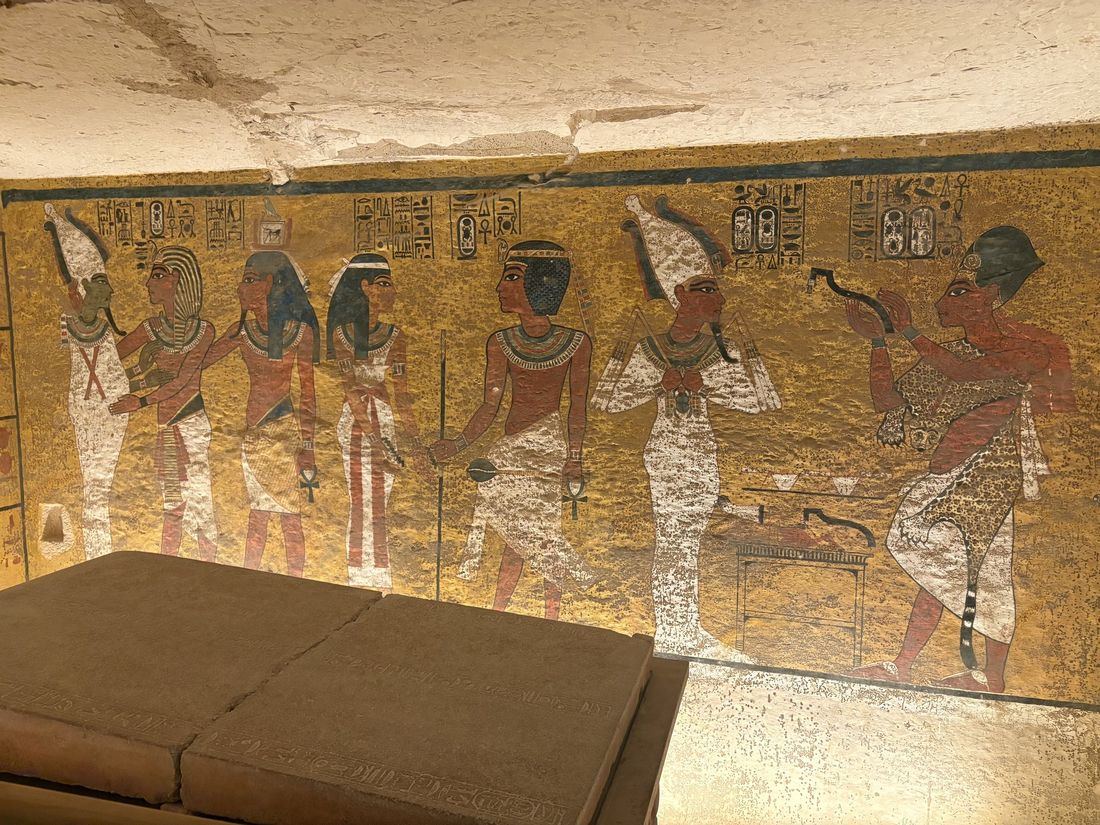
Partly. A private visit in Egypt means your own guide and vehicle at the pyramids and tombs, at your pace within official hours; the Great Pyramid's interior and several royal tombs are sold on separate tickets. Opening a site outside its hours, or a closed site, is reported in official decisions but not on the official English sites: it is requested through the authorities and never promised in advance.
Key takeaways
- Going inside the Great Pyramid needs its own ticket, and the Giza plateau entry ticket is needed as well.
- The Valley of the Kings general ticket is reported to cover three tombs; Tutankhamun's (KV62), Seti I's (KV17) and Ramesses VI's (KV9) each have their own ticket.
- The tomb of Nefertari (QV66) has been closed since March 2024, so it is not offered.
- Luxor Temple is open until 8 PM and Kom Ombo until 9 PM; the Grand Egyptian Museum's galleries stay open until 9 PM on Wednesdays and Saturdays.
- Openings outside official hours need separate permits: they are included only once confirmed in writing and never promised in advance.
What a private visit in Egypt means at a public site
On a private journey, the guide, the vehicle and the driver are for your group alone. The sites themselves stay public: during official hours you share the pyramids, temples and tombs with other visitors. What you control is the order, the pace, the time of day and which separately ticketed places you enter.
At Giza, entry is through a new gate on the Fayoum Highway south of the pyramids, replacing the historic entrance near the Marriott Mena House. Private vehicles and tour buses are barred from the plateau, and electric vehicles carry visitors and their guides. Ministry pages differ on the plateau's opening time, 7 AM or 8 AM, and both put the end of the day at 4 PM.
What you can genuinely book: the separate tickets
The most dependable extra access in Egypt is a separately ticketed interior or tomb, sold on top of the general entry. These are the ones that matter on a first visit:
| Place | Ticket rule | What to know |
|---|---|---|
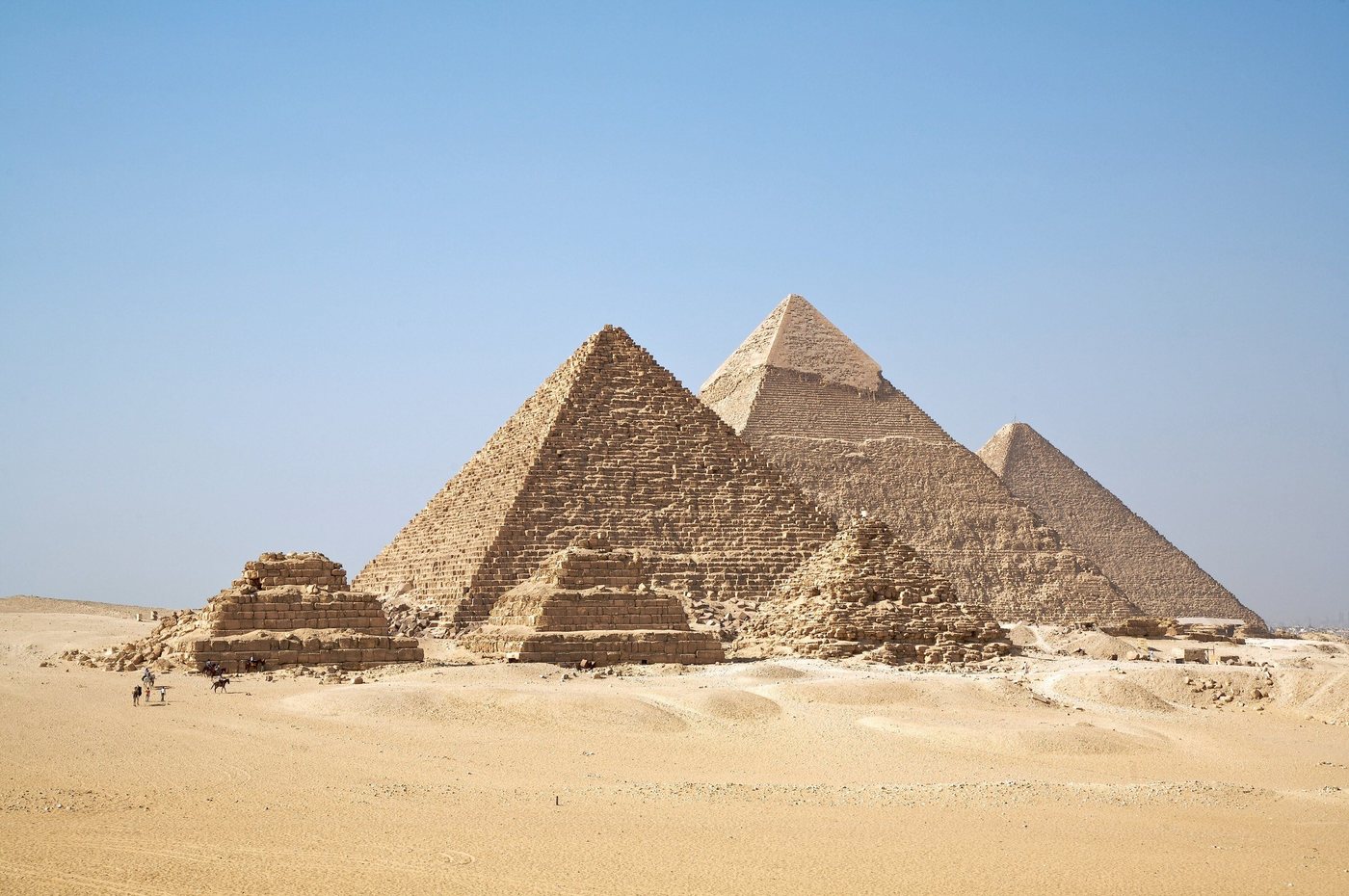
| Great Pyramid of Khufu, interior | Its own ticket; the Giza plateau entry ticket is needed as well | Open daily 7 AM to 5 PM. Rough steps, crouching to enter and a low, steep passage; not advised with claustrophobia or limited mobility. |
| Tomb of Tutankhamun (KV62) | Its own ticket, separate from the Valley of the Kings general ticket | A small tomb; its treasures are at the Grand Egyptian Museum. |
| Tomb of Seti I (KV17) | Its own ticket | The Ministry calls it one of the longest, deepest and most beautifully decorated tombs in the valley, so expect a long descent. |
| Tomb of Ramesses VI (KV9) | Its own ticket | Entered, like the other royal tombs, by descending corridors and stairways cut deep into the hillside. |
| Tomb of Nefertari (QV66), Valley of the Queens | Not offered | Closed since March 2024 to monitor humidity levels; no reopening date found. |
| Tomb of Amenhotep III, West Valley | Access is unclear | Restored, but sources differ on whether visitors can enter; check at the time of travel. |
The general Valley of the Kings ticket is reported to cover three tombs of your choice from those open on the main ticket; more tombs need additional tickets. Every ticket, including those for extra tombs, is bought at the Visitor Center, and a tram ride of about 3 minutes, paid separately, takes you to the tombs. The valley opens at 6 AM, with last entry at 4 PM in winter and 5 PM in summer.
On a private journey, entrance fees are included for the sites named in the itinerary. If Tutankhamun's tomb or the Great Pyramid's interior matters to you, ask for it by name so it appears in the written proposal.
Seeing sites after dark, without any permit
Some places stay open into the evening on their normal hours, and the official sound and light shows run at night. None of these needs a special permit:
| Place | Evening opening |
|---|---|
| Luxor Temple | Open until 8 PM, last entry 7 PM |
| Kom Ombo Temple | Open until 9 PM, last entry 8 PM |
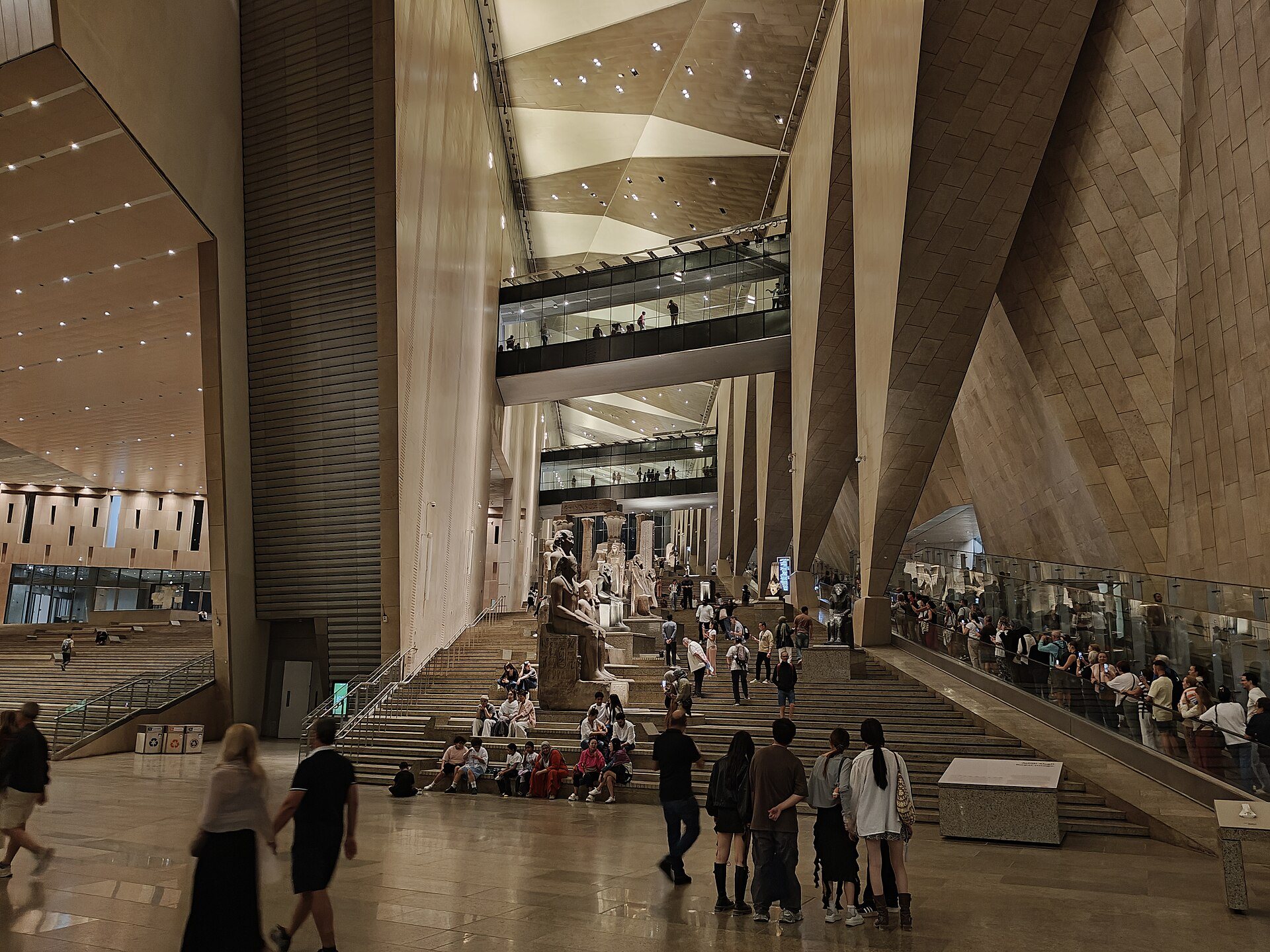
| Grand Egyptian Museum | Galleries open until 9 PM on Wednesdays and Saturdays, last entry one hour before they close |
| Grand Egyptian Museum, after closing | An optional "Immersive Experience" show after closing hours on the day of your visit, available for a limited time; the current program is "Eternal Sun: An Immersive Light Experience" |
| Sound and light shows | Giza Pyramids, Karnak Temple in Luxor, Philae Temple in Aswan, Abu Simbel, Edfu Temple and the Qaitbay Citadel in Alexandria |
The company that runs the sound and light shows also takes requests for special shows, concerts and events at its show sites, through its marketing department and under its published terms. A late visit to the museum is covered in the guide to the Grand Egyptian Museum.
Openings outside official hours: what the rules say
Openings beyond the normal hours do exist. A decision of the Supreme Council of Antiquities defines a "private visit" as opening an archaeological site for a visit outside its official working hours, or opening a site that is closed to visitors, with each visit period lasting two hours. The same council allows private events at the sites and museums it runs. The Grand Egyptian Museum also offers private visits outside its official working hours.
What does not exist is a public process. These schemes are known from Arabic press reports of official decisions; as checked on 20 October 2026, neither is published on the Ministry's English visitor sites or on the museum's English site, and no public English application process exists. Such an opening is requested through the authorities for a specific date, it is never promised in advance, and it is included in a journey only once confirmed in writing.
What is not offered
- The tomb of Nefertari. It has been closed since March 2024, to monitor humidity levels, with no reopening date found.
- The tomb of Amenhotep III as a promise. Sources differ on whether it is open to the public or only by special permission, so access is unclear until checked at the time.
- A guaranteed after-hours opening. An opening outside official hours needs a separate permit for your date, so it is never promised in advance.
- A guaranteed open day. Sites can close at short notice: the Grand Egyptian Museum closed for one day on September 2, 2026, with no reason given.
How it fits a private journey
Egypt's Palace Hotels, 10 Days shows how this works in practice: private sightseeing with a dedicated English-speaking Egyptologist, Luxor's West Bank and the Valley of the Kings on Day 6, and the Grand Egyptian Museum on Day 9. A separately ticketed tomb or the Great Pyramid's interior can be named in its proposal; a request for an opening outside official hours is made for your dates and included only if it is confirmed in writing.
On the ultra-luxury journeys, one coordinator follows the trip from the first request to the departure. The physical side matters as much as the permit: the royal tombs are entered by descending corridors and stairways cut deep into the hillside, so choose the tombs with your pace in mind. How a guide helps with those choices is covered in private Egyptologist guides.
Questions travelers ask
Can you visit the pyramids at night?
Not on a normal ticket: Ministry pages put the end of the day at Giza at 4 PM. The official way to see the pyramids after dark is the sound and light show. Opening a site outside its working hours is reported in official decisions, but it is requested for a specific date, never promised in advance and included only once confirmed in writing.
Can you go inside the Great Pyramid?
Yes, with a separate interior ticket; the Giza plateau entry ticket is needed as well. The interior is open daily from 7 AM to 5 PM. The visit means climbing rough steps, crouching to enter and climbing bent over up a low, steep passage to the Grand Gallery and the King's Chamber, and it is not advised for anyone with claustrophobia or limited mobility.
Is the tomb of Nefertari open?
No. The tomb of Nefertari (QV66) in the Valley of the Queens has been closed since March 2024, closed to monitor humidity levels, and no reopening date was found. It is therefore not offered on any journey. Guides describe it as needing its own ticket on top of the Valley of the Queens entrance, so if it reopens, ask for it by name.
How many tombs does a Valley of the Kings ticket include?
The general ticket is reported to cover three tombs of your choice from those open on the main ticket; seeing more needs additional tickets. Tutankhamun's tomb (KV62), Seti I's (KV17) and Ramesses VI's (KV9) each have their own ticket. All tickets, including extra-tomb tickets, are bought at the Visitor Center before the short tram ride to the tombs.
Can the Grand Egyptian Museum be visited privately after hours?
Private visits outside the museum's working hours are reported in official decisions, but they are not described on its English site and are never promised in advance. What can be planned is a late visit on Wednesdays and Saturdays, when the galleries stay open until 9 PM, and the optional evening show after closing, offered for a limited time.
Can a private sound and light show be arranged?
The company that runs the official shows takes requests for special shows, concerts and events at its sites, through its marketing department. The regular shows are held at the Giza Pyramids, Karnak, Philae, Abu Simbel and Edfu, and at the Qaitbay Citadel in Alexandria. A special show is requested for your date and included only once confirmed in writing.
The Journal
Keep reading.
 The Journal
10 Days in Egypt: A Luxury Itinerary, Day by Day
Ten days in Egypt three ways: a Nile cruise with Abu Simbel, a dahabiya from Esna, or palace hotels with a short cruise. Each one day by day, with where you sleep.
 The Journal
7 Days in Egypt: A Luxury Itinerary, Day by Day
Seven days in Egypt, day by day: where you go, where you sleep and which ship sails the 3-night cruise, plus the 8-day version with 4 nights from Luxor.
 The Journal
An Egypt Honeymoon in Luxury: How to Plan It
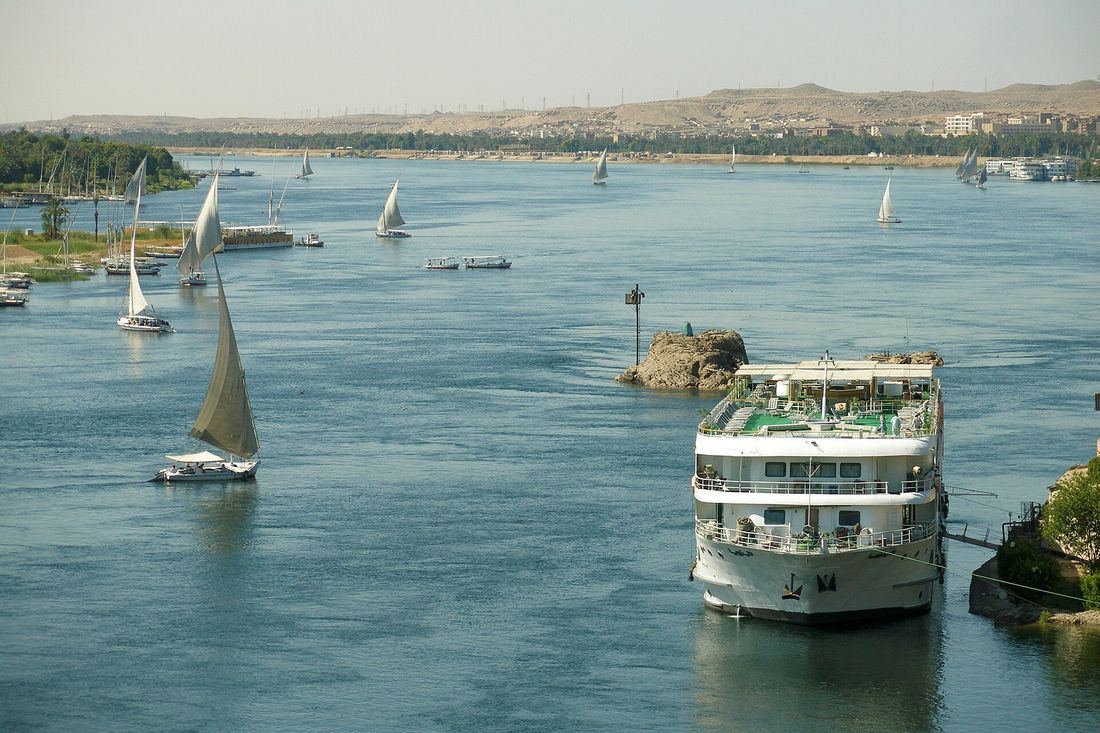
A luxury Egypt honeymoon works when the pace is slow: a dahabiya or small ship on the Nile, a night at the Old Cataract in Aswan and a few days on the Red Sea.