Home / The Journal / Do You Need a Private Egyptologist Guide in Egypt? What to Expect
The Journal
Do You Need a Private Egyptologist Guide in Egypt? What to Expect
Egypt licenses tour guides, not Egyptologists. How the license, the syndicate and the training work, and what a private guide does day by day on a luxury trip.
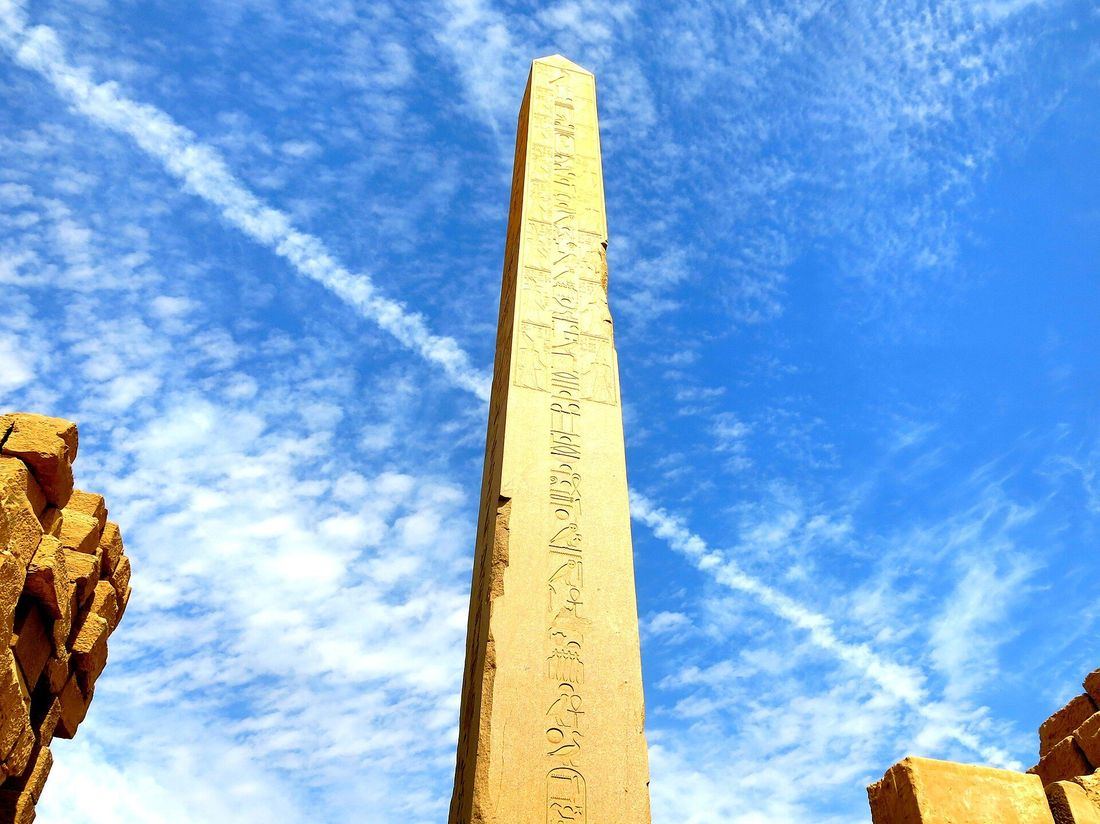
If anyone is to guide you at Egypt's sites, it must be a licensed guide: Law 121 of 1983 reserves guiding for people licensed by the Ministry of Tourism and registered with the Tour Guides Syndicate. "Egyptologist" is the name tour operators give these licensed guides. On a private trip, the guide, the vehicle and the driver are for your group alone on land.
Key takeaways
- Under Law 121 of 1983, only people licensed by the Ministry of Tourism and entered on the Tour Guides Syndicate register may work as guides.
- A license requires Egyptian nationality, a university qualification, a minimum age of 21 and the Ministry's exam, which graduates in tourist guidance are exempt from.
- "Egyptologist" is a trade term: Intrepid and Abercrombie & Kent use it for their licensed guides, while the law licenses tour guides.
- The journeys on this site include a guide who speaks English, Portuguese, German or Spanish.
- In June 2026 the Ministry announced the first smart guide licenses, which use NFC and work as an official ID and an entry pass at site gates.
What "Egyptologist" means, and what the law licenses
The law speaks of tour guides, not Egyptologists. Law 121 of 1983 on tour guides and their syndicate was published in the Official Gazette on 25 August 1983 and has been amended since. Under it, guiding may be practised only by someone who holds a license from the Ministry of Tourism and is entered on the register of the Tour Guides Syndicate.
"Egyptologist" is the word tour operators use for their licensed guides. Intrepid tells travelers that their leader is "a trained Egyptologist", and Abercrombie & Kent writes of its Egyptologists and local experts. In practice, a "licensed Egyptologist guide" is a licensed tour guide described by the training behind the license. The useful questions are about that license, the training and the language, not the title. For the languages you will hear around you, see the language spoken in Egypt.
How a guide is licensed and trained
The path to a license runs through a university, the Ministry and the syndicate:
| Step | What it involves |
|---|---|
| University study | Faculties of tourism and hotels have Tourism Guidance departments that grant bachelor's degrees in tourist guidance, for example at Helwan University and Alexandria University. |
| License conditions | Egyptian nationality, good conduct with no relevant criminal conviction, medical fitness, a university qualification from an Egyptian university or a foreign equivalent, and a minimum age of 21. |
| The Ministry's exam | Applicants must pass the Ministry of Tourism's exam. Holders of a bachelor's or postgraduate diploma in tourist guidance are exempt. |
| The Ministry's training | The Ministry runs training courses for applicants who hold a degree or diploma in tourist guidance. Applicants without that degree, such as speakers of rare languages, must pass the guiding exam. |
| The syndicate | A licensed guide is entered on the register of the Tour Guides Syndicate. |
| The license card | In June 2026 the Ministry announced the first batch of smart guide licenses. They use NFC and work as an official ID and as an electronic entry pass at the gates of sites and museums. They are issued in batches, so not every guide holds the new card yet. |
So the person explaining Karnak or the Valley of the Kings to you holds, by law, a university qualification and has either passed the Ministry's exam or graduated in tourist guidance.
Languages on the journeys
The journeys on this site include a guide who speaks English, Portuguese, German or Spanish. Some journey pages name the language outright: Egypt's Palace Hotels, 10 Days lists private sightseeing with a dedicated English-speaking Egyptologist. Name your language in your first message and check that it appears in the proposal.
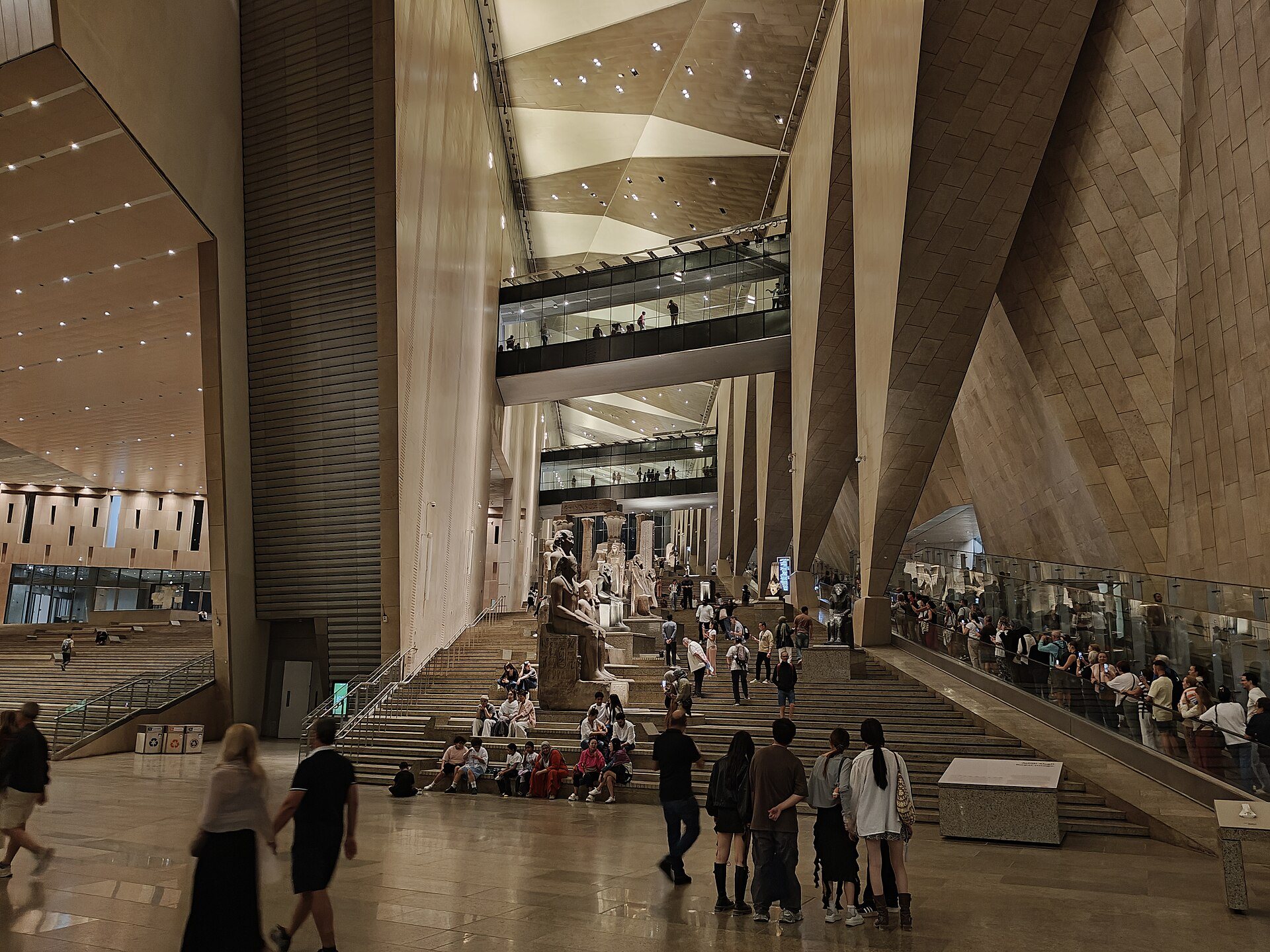
Language matters most at the museums. The Grand Egyptian Museum's own guided tour runs in Arabic or English, and it is a group tour with other visitors, not a private one. With your own guide, the explanation is in your language and at your pace; the guide to the Grand Egyptian Museum covers that visit in detail.
What a private guide does on each kind of day
On land, the guide, the vehicle and the driver are for your group alone. What the guide actually handles changes with the day:
| Day | What the guide handles |
|---|---|
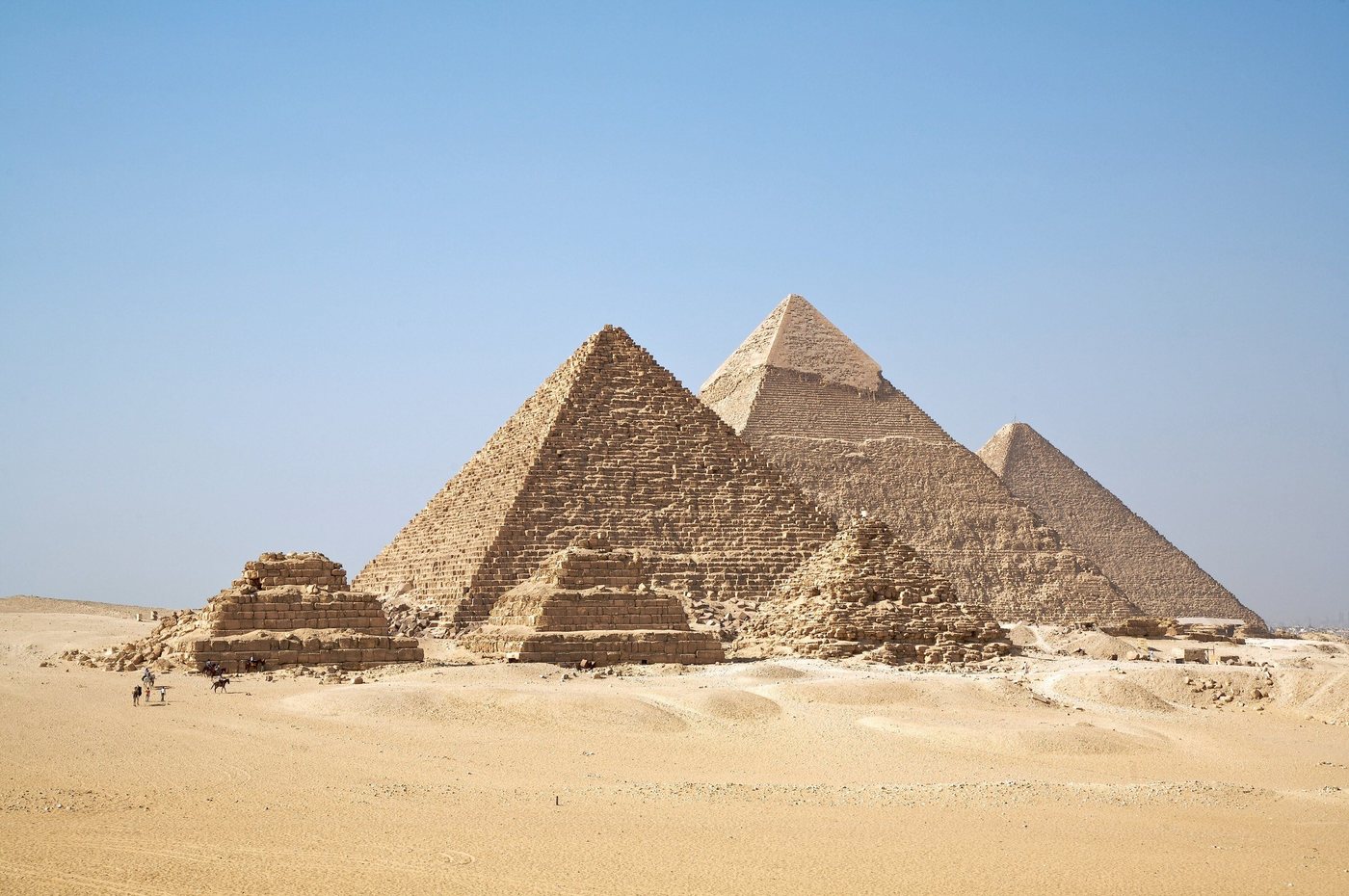
| Giza | Entry is through a new gate on the Fayoum Highway south of the pyramids. Private vehicles and tour buses are barred from the plateau, and electric vehicles carry visitors and their guides. Going inside the Great Pyramid needs its own ticket on top of the plateau entry ticket. |
| The Grand Egyptian Museum | Tickets are booked online in advance with a timed entry slot. With your own guide you are not tied to the museum's group tour, and you choose where to spend your time, from the Tutankhamun Galleries to Khufu's Boats Museum. |
| The Valley of the Kings | All tickets, including extra-tomb tickets, are bought at the Visitor Center; then a tram ride of about 3 minutes, paid separately, takes you to the tombs. The general ticket is reported to cover three tombs, and Tutankhamun's tomb (KV62) has its own ticket. |
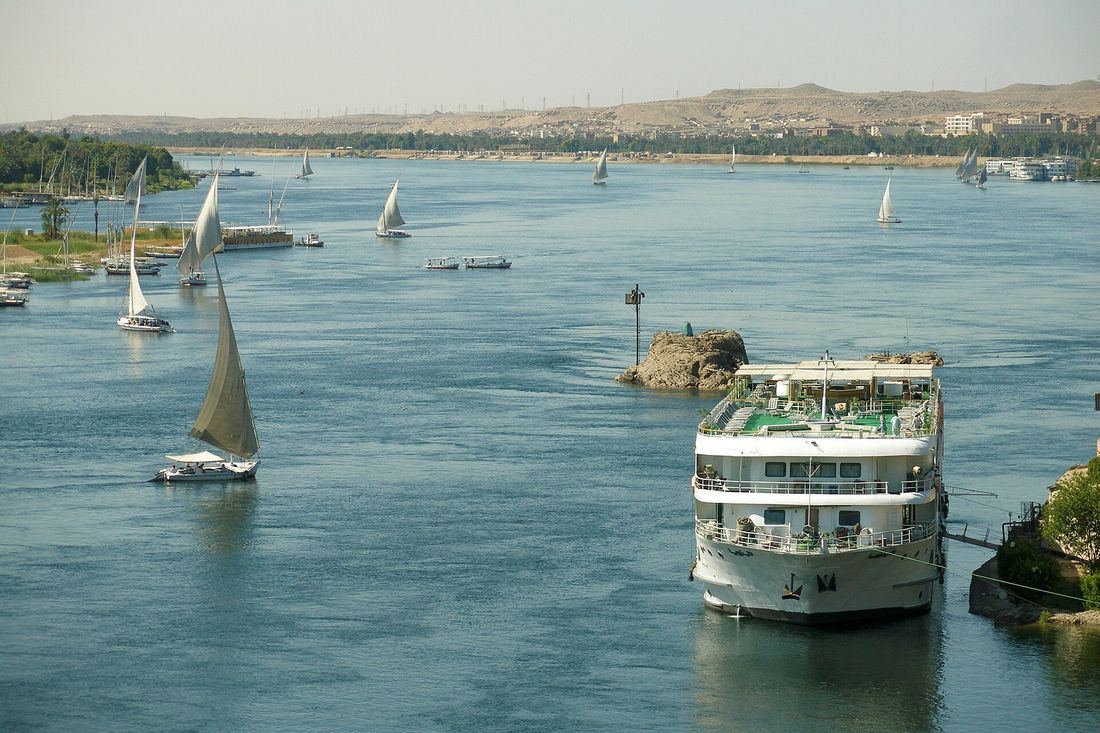
| Temples on the Nile | Philae can only be reached by boat, from the Philae Marina south of Aswan. On a Nile cruise ship the ship is shared with other guests, and the guided visits are private where the journey lists private guided sightseeing. |
| A free day | Some journeys keep a day with no plan, such as Day 7, "Cairo at your own pace", on Private Cairo, Aswan and Luxor, 8 Days. Private tours on that day are optional and not included. |
The tomb days ask the most of a guide's judgment. The royal tombs are entered by descending corridors and stairways cut deep into the hillside, and travel guides note that a guide can choose the more accessible tombs open that day. Which tombs are worth the extra tickets, and which separately ticketed visits exist at all, is set out in private and after-hours visits in Egypt.
How to judge a private guide
- The license. Licensed guides carry official ID, and travel guides advise asking to see it. The new smart license is checked electronically at site gates, though not every guide has received one yet.
- Booked ahead, not at the gate. Sources agree that guides are normally booked in advance; touts at site gates and in arrival areas are to be avoided.
- The language. Your guide should handle your questions in your language, not only recite a script. On the journeys that means English, Portuguese, German or Spanish.
- The logistics. A guide who knows the sites buys the right tickets in the right place: at the Valley of the Kings, every extra-tomb ticket at the Visitor Center before the tram.
- Your pace. The Great Pyramid's interior means rough steps, crouching to enter and a low, steep passage, and it is not advised for anyone with claustrophobia or limited mobility. A guide should say so before the ticket is bought and suggest what fits instead.
- Your interests. After the first day, a guide should know whether you care more about inscriptions, architecture or photographs, and shape the next site around that.
What to fix in writing before you travel
Every journey is quoted in a written proposal that names the route, the hotels and room types, what is included and what is not, and the terms; nothing is booked until it is confirmed in writing. For the guide, check five points in it:
- The guide's language.
- Whether one guide travels with you through the trip or a licensed guide meets you in each city.
- Which sites are named. The journeys include entrance fees to the sites named in the itinerary, so a tomb with its own ticket, such as Tutankhamun's, or the Great Pyramid's interior should be named if it matters to you.
- Which days are guided and which are free.
- Tips, which are not included in any journey. A customary tip for a private guide is US$30 to 50 per full day; see tipping on a private trip.
On the ultra-luxury journeys, one coordinator also follows the trip from the first request to the departure, in addition to the guide at the sites. The journeys are booked with Egypt Today Travel, a Category A travel agency licensed by Egypt's Ministry of Tourism and Antiquities under license 1947; more is on the about page.
Questions travelers ask
Is an Egyptologist the same as a licensed tour guide?
In practice, yes. Egyptian law licenses tour guides: guiding may be practised only by someone licensed by the Ministry of Tourism and registered with the Tour Guides Syndicate. "Egyptologist" is the word operators such as Intrepid and Abercrombie & Kent use for their licensed guides. It describes training, not a separate legal title, so ask about the license itself.
Can anyone guide tourists at Egypt's sites?
No. Under Law 121 of 1983, guiding is reserved for license holders entered on the Tour Guides Syndicate register. A license requires Egyptian nationality, a university qualification, a minimum age of 21 and the Ministry's exam, unless the applicant graduated in tourist guidance. Travel guides advise booking a guide in advance and avoiding touts at site gates.
Which languages do private guides in Egypt speak?
The journeys on this site include a guide who speaks English, Portuguese, German or Spanish; ask for your language in your first message. The Ministry also examines applicants who speak rare languages but hold no guiding degree. At the Grand Egyptian Museum, the museum's own guided tour runs only in Arabic or English, which is one reason to bring your own guide.
How can you check a guide's license?
Licensed guides carry official ID, and travel guides advise asking to see it. In June 2026 the Ministry announced the first smart guide licenses: they use NFC, act as an official ID and an electronic pass at site gates, and the gates can detect forged cards. The cards are issued in batches, so an older card alone is not a warning sign.
Is the Grand Egyptian Museum's guided tour private?
No. The museum's Guided Tour Ticket adds a group tour with other visitors, in Arabic or English, and the ticket site states that it is not a private tour. A private guide is arranged separately: private tours in other languages are booked with the museum's tour partner, and tour operators book through the museum's booking desk.
Is the guide private on a Nile cruise?
The ship is shared with other guests, but the guided visits are private where the journey lists private guided sightseeing. On a dahabiya the boat is shared with its other guests unless your group charters the whole boat. On land, the guide, the vehicle and the driver are for your group alone.
The Journal
Keep reading.
 The Journal
10 Days in Egypt: A Luxury Itinerary, Day by Day
Ten days in Egypt three ways: a Nile cruise with Abu Simbel, a dahabiya from Esna, or palace hotels with a short cruise. Each one day by day, with where you sleep.
 The Journal
7 Days in Egypt: A Luxury Itinerary, Day by Day
Seven days in Egypt, day by day: where you go, where you sleep and which ship sails the 3-night cruise, plus the 8-day version with 4 nights from Luxor.
 The Journal
An Egypt Honeymoon in Luxury: How to Plan It
A luxury Egypt honeymoon works when the pace is slow: a dahabiya or small ship on the Nile, a night at the Old Cataract in Aswan and a few days on the Red Sea.