Home / The Journal / What to Buy in Egypt: Egyptian Cotton, Papyrus, Spices and More
The Journal
What to Buy in Egypt: Egyptian Cotton, Papyrus, Spices and More
Genuine Egyptian cotton carries a licensed logo. How to recognize it, what else is worth buying in Khan el-Khalili, and what must never leave Egypt.
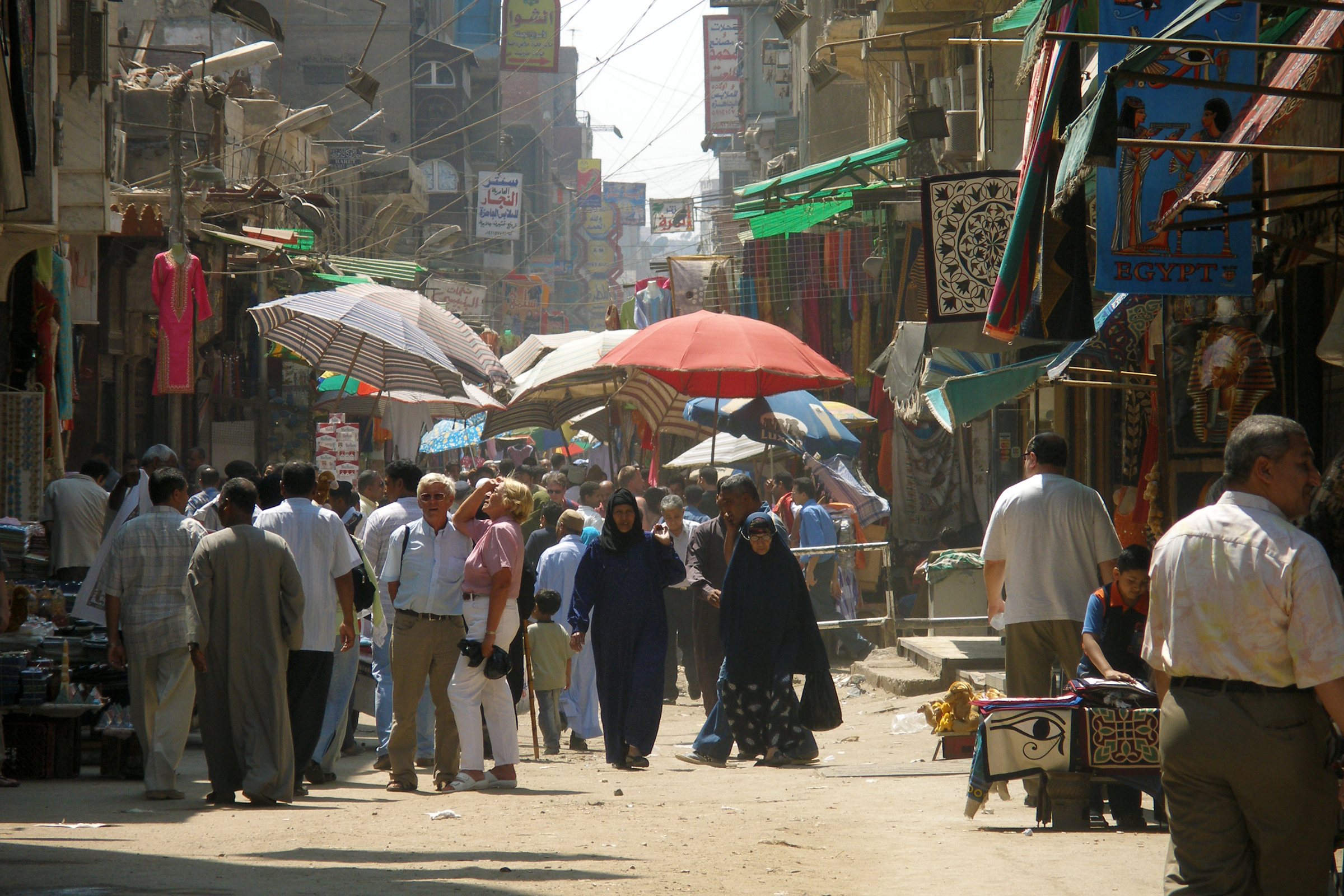
Start with Egyptian cotton, but buy only products that carry the registered Egyptian Cotton logo, which the Egyptian Cotton Association licenses to accredited manufacturers. Beyond cotton, what to buy in Egypt includes papyrus, alabaster, spices, perfume oils and gold or silver cartouches, many of them sold in Cairo's Khan el-Khalili bazaar. Never buy antiquities: Egyptian law prohibits all antiquities trading.
Key takeaways
- The Egyptian Cotton logo is a registered trademark owned by the Ministry of Trade and Industry and the Alexandria Cotton Exporters' Association, and managed by the Egyptian Cotton Association, founded in 2005.
- Mislabeling is a real risk: in 2016, around 90 percent of the 'Egyptian cotton' products checked did not contain the premium cotton at all.
- Khan el-Khalili, off al-Muizz Street in historic Cairo, is known for copper and brass, inlaid wood, glass, spices, perfume and oud, textiles, and gold and silver jewelry.
- In Egypt, 21-karat gold is the most commonly traded, and gold must be officially tested and stamped before it is sold.
- Egyptian law prohibits all antiquities trading, and as of October 2026 US import restrictions on Egyptian archaeological material are in effect until November 30, 2026.
What to buy in Egypt at a glance
The table sets out the classic purchases, what each one is and what to check before you pay, and the one thing never to buy.
| Item | What it is | Good to know |
|---|---|---|
| Egyptian cotton | Cotton of the species Gossypium barbadense grown in Egypt | Look for the registered Egyptian Cotton logo, which only accredited manufacturers may use |
| Papyrus | A writing surface made from thin strips of the pith of the papyrus plant, pressed together and dried | Shopping guides warn that some sheets sold as papyrus are banana leaf |
| Alabaster | Calcite alabaster, also called Egyptian alabaster, onyx-marble or Oriental alabaster | Pieces sold as alabaster are not always what they are called; buy costly pieces from an established dealer |
| Spices and dried hibiscus | Sold at colorful stalls in most Egyptian markets | Khan el-Khalili is known for spices, perfume and oud |
| Perfume oils | Scents portioned by the gram in glass bottles | One guide names Souk al-Attarine, beside the bazaar, for perfume oils |
| Gold and silver cartouches | An oval frame enclosing hieroglyphs that spell a name | Gold must be officially tested and stamped before it is sold; check for the stamp |
| Antiquities | Anything offered as a genuine ancient object | Never buy: Egyptian law prohibits all antiquities trading |
Egyptian cotton: what the name means
Egyptian cotton is a market class: cotton of the species Gossypium barbadense grown in Egypt. The name describes a species and a country of origin, so the words on a label are not, by themselves, proof of what is inside.
That matters because mislabeling has been widespread. In 2016, around 90 percent of the products checked as Egyptian cotton were found not to contain the premium cotton variety at all.
The registered Egyptian Cotton logo
The reliable sign is a trademark. The Egyptian Cotton logo is registered and owned by Egypt's Ministry of Trade and Industry and the Alexandria Cotton Exporters' Association. The Egyptian Cotton Association, a non-profit founded in 2005, manages and promotes the logo and runs the licensing program. Accredited manufacturers may put the logo on their products, which is how a buyer tells a licensed product from a mislabeled one.
How the association checks the cotton
The association works with the inspection company Bureau Veritas to test and audit Egyptian cotton at any stage of the supply chain, and it uses a traceability process and DNA testing that recognizes the genomic fingerprint of Egyptian cotton.
How to buy genuine Egyptian cotton
- Look for the registered Egyptian Cotton logo on the product.
- Ask the seller who made it, and whether that manufacturer is licensed to use the logo.
- Treat a label that only says Egyptian cotton, with no logo, as a claim rather than proof.
Papyrus, alabaster and cartouches
Genuine papyrus comes from the papyrus plant, Cyperus papyrus, long cultivated in the Nile delta: the central pith of its stem is cut into thin strips, pressed together and dried into a smooth writing surface. Shopping guides warn that some sheets sold as papyrus are banana leaf, and suggest checking with your guide before you buy.
Egyptian alabaster is calcite alabaster, also known as onyx-marble or Oriental alabaster. The same guides caution that goods sold as alabaster, gold or papyrus are not always what they are called, and advise buying expensive pieces from an established dealer and asking for a certificate.
A cartouche is the oval frame that encloses hieroglyphs spelling a name, and gold and silver cartouches are sold as souvenirs. In Egypt, 21-karat gold is the most commonly traded, and gold must be officially tested and stamped before it is sold, so check for the stamp before you pay.
Spices and perfume oils
Spices are sold at colorful stalls in most Egyptian markets, and Khan el-Khalili is known for spices, perfume and oud. Dried hibiscus is worth looking for too: it is the base of karkadeh, the sweet hibiscus tea that is particularly popular in Egypt.
Perfume oils are sold portioned by the gram in glass bottles, and one shopping guide names Souk al-Attarine, beside the bazaar, for them. Jasmine has a local story: according to the International Federation of Essential Oils and Aroma Trades, Egypt and India produce around 95 percent of the world's jasmine extracts used in perfumes, and the village of Shubra Beloula in Gharbiya produces more than half of the aromatic extracts used for global jasmine production.
Where to shop: Khan el-Khalili
Khan el-Khalili is a large bazaar in historic Cairo, near al-Azhar Mosque; Britannica describes it as an expansive assortment of shops. Guides agree it is known for hand-beaten copper and brass (trays, coffee pots, lanterns), mother-of-pearl inlaid wood, glass, shisha pipes, spices, perfume and oud, textiles, and gold and silver jewelry. The district is bounded by al-Muizz Street on the west, al-Muski Street on the south and the al-Hussein mosque and shrine on the east, and the city's historic core has been a UNESCO World Heritage site since 1979.
The bazaar takes its name from the emir Jaharkas al-Khalili, Master of the Stables of Sultan Barquq, who built the first khan there. Guides also place the Tentmakers' Street, known for appliqued khayamiya textiles, beside the bazaar, and describe a goldsmiths' district within or next to it.
Several journeys on this site include time there. Five Private Days in Cairo lists shopping for handicrafts in Khan El Khalili, and the 10-day Cairo and Nile cruise journey visits it with the Citadel and Coptic Cairo. No single office sets the bazaar's hours and published sources disagree, so check with the shop or with your guide.
How to shop well in the bazaar
- Expect to bargain. Guides agree that haggling is normal in Egyptian bazaars, that the first price is not final, and that staying polite and good-humored is part of the exchange.
- Decide your top price first. Compare several shops. Thanking the seller and starting to leave often brings a final offer, but only if you are willing to leave without buying. La, shukraan (no, thank you) is the polite refusal.
- Settle the currency before the price. One guide advises paying in Egyptian pounds where you can, because shops that quote in dollars or euros tend to set unfavorable rates.
- Ask for a certificate for anything expensive, and buy such pieces from an established dealer.
- You do not owe a purchase. Politely decline souvenirs pressed on you as gifts, photo offers and sellers who ask for your name.
- Dress modestly. The UK government advises it especially in rural areas, mosques and souqs.
Cash, small notes and offers you did not ask for are covered in our guide to tipping in Egypt.
What never to buy or take home: antiquities
Egyptian law prohibits all antiquities trading. Shopping guides add that many antiques offered to visitors are reproductions, that Bedouin jewelry may be made to look old, and that real antiquities need export authorization. Treat any object offered to you as a genuine ancient piece as one to refuse.
Your home country may have rules too. For US travelers: as of October 2026, US import restrictions on Egyptian archaeological material are in effect until November 30, 2026; check with US Customs and Border Protection whether they have been renewed before you travel.
Questions travelers ask
What is genuine Egyptian cotton?
Egyptian cotton is a market class: cotton of the species Gossypium barbadense grown in Egypt. Because a label can say anything, the reliable sign is the registered Egyptian Cotton logo, a trademark owned by Egypt's Ministry of Trade and Industry and the Alexandria Cotton Exporters' Association, which the Egyptian Cotton Association licenses to accredited manufacturers.
How can you tell if Egyptian cotton is fake?
Look for the registered Egyptian Cotton logo, which accredited manufacturers may use, and ask the seller who made the product. The Egyptian Cotton Association verifies the cotton with Bureau Veritas through testing, audits and DNA testing. Fakes have been common: in 2016, around 90 percent of the products checked did not contain the premium cotton at all.
Is the papyrus sold in Egypt real?
Some is and some is not. Genuine papyrus is made from thin strips of the pith of the papyrus plant, pressed together and dried into a smooth sheet. Shopping guides warn that some sheets sold as papyrus are banana leaf, and suggest checking with your guide and buying expensive pieces from an established dealer.
Is it legal to buy antiques in Egypt?
Not antiquities: Egyptian law prohibits all antiquities trading, and real antiquities need export authorization. Many antiques offered to visitors are reproductions. As of October 2026, the United States also restricts imports of Egyptian archaeological material, with the current restrictions in effect until November 30, 2026, so check the latest position with US Customs and Border Protection.
Do you have to haggle in Khan el-Khalili?
Haggling is expected in Egyptian bazaars, and guides agree the first price is not final. Decide your top price before you start, compare a few shops, stay polite and settle the currency before the price. If you are willing to walk away, thanking the seller and starting to leave often brings a final offer.
What should you know before buying gold in Egypt?
In Egypt, 21-karat gold is the most commonly traded, and gold must be officially tested and stamped before it is sold, so check for the stamp. Gold and silver cartouches, ovals enclosing a name in hieroglyphs, are sold as souvenirs. For an expensive piece, ask for a certificate and buy from an established dealer.
The Journal
Keep reading.
 The Journal
10 Days in Egypt: A Luxury Itinerary, Day by Day
Ten days in Egypt three ways: a Nile cruise with Abu Simbel, a dahabiya from Esna, or palace hotels with a short cruise. Each one day by day, with where you sleep.
 The Journal
7 Days in Egypt: A Luxury Itinerary, Day by Day
Seven days in Egypt, day by day: where you go, where you sleep and which ship sails the 3-night cruise, plus the 8-day version with 4 nights from Luxor.
 The Journal
An Egypt Honeymoon in Luxury: How to Plan It
A luxury Egypt honeymoon works when the pace is slow: a dahabiya or small ship on the Nile, a night at the Old Cataract in Aswan and a few days on the Red Sea.